

Embarking on a three-day journey through Cape Town is like unwrapping layers of a vibrant story. Each day offers a new chapter, filled with breathtaking views, rich history, and lively culture. This itinerary is tailored for those who crave a mix of adventure and reflection, balancing iconic sights with serene escapes.
Imagine starting your mornings with the crisp air atop Table Mountain, where the city's full panorama stretches before you. Feel the rhythm of the day as you descend into lush gardens and colorful neighborhoods that pulse with life and history.
This trip is designed for travelers who appreciate both the grandeur of natural landscapes and the intimate details of local life. You'll find yourself wandering through vivid streets, capturing moments that tell stories of resilience and beauty. Each stop invites you to pause, breathe, and soak in the essence of Cape Town.
Evenings bring a different shade to your adventure. As the sun dips, the city transforms, offering tranquil views from the heights of Signal Hill or the sweeping curves of Chapman's Peak Drive. It's a time to reflect on the day's discoveries and prepare for tomorrow's adventures.
Whether you're a photography enthusiast eager to capture every angle or someone seeking a deeper connection with place and people, this guide provides a seamless flow of experiences. Follow this path for a journey that feels both expansive and intimately personal.
Best for
Why visit
Cape Town suits travelers who want big, cinematic scenery without giving up the ease of a city base. In three days you can move between mountain viewpoints, coastal cliffs, gardens, and characterful neighborhoods, then be back for a relaxed dinner and an early night if you choose. It’s a place where the light changes quickly and the views keep opening up, which makes it especially rewarding for photographers and first-time visitors trying to get a feel for the city fast.
The pace here can be as lively or as calm as you make it. Summer brings a buzzy, beach-forward energy, while the shoulder seasons feel gentler and give you more breathing room at popular spots. Even in winter, clear days can be ideal for hikes and viewpoints, with museums and galleries as an easy fallback when the weather turns.
For solo travelers, Cape Town is straightforward to navigate and easy to shape around your interests. Stay somewhere like Gardens or Tamboerskloof for a good balance of access and quiet, then mix simple walks and short taxi rides with a few longer outings where a tour or a car helps with logistics. If you like to linger over scenes, snack your way through casual local dishes, and end the day with a sunset view, this three-day itinerary fits naturally.
This page includes selected partner links. Teravia may earn a commission if you book. How this works
Seasonal
See year-round climate
Jan
21°C14.6mm
3d
411.7h
Feb
21°C9.4mm
2d
345.5h
Mar
20°C31.7mm
4d
333.8h
Apr
18°C39.7mm
5d
292.3h
May
16°C64.1mm
7d
270.9h
Jun
14°C131mm
12d
234.6h
Jul
13°C115mm
11d
257.4h
Aug
13°C86.1mm
11d
279.3h
Sep
14°C48.2mm
8d
301.8h
Oct
17°C37mm
6d
367h
Nov
18°C21.5mm
5d
374.3h
Dec
20°C27.7mm
5d
405.7h
How to read these seasonal expectations
Teravia calculates each month from daily historical weather data for this location across the latest complete ten-year reference period. These are planning context, not a forecast for a particular trip.
Weather data by Open-Meteo.com · CC BY 4.0 · Aggregated by Teravia
Crowd patterns
Spring in Cape Town feels like a reawakening; flowers burst into color across gardens and hillsides. The air carries a lightness as locals return outdoors after winter's chill. In contrast, summer pulses with energy—beaches fill with laughter and music drifts through warm nights. Autumn slows the pace again as leaves turn golden under softer skies.
Get prepared
Before you go - a quick cultural and practical layer.
Essentials
- Comfortable walking shoes
- light layers
- sun hat
- sunglasses
- daypack
Seasonal
- Summer: breathable tops
- swimwear
- light evening layer
- Spring/Autumn: windbreaker
- light knit
- Winter: waterproof jacket
- warm mid-layer
Respectful
- Modest top for places of worship
- longer shorts or skirt
- light scarf
- smart-casual outfit
Continue
Continue this guide in teravia
We'll prefill the destination. You shape it to your preferences.
Food scene
Dishes to try
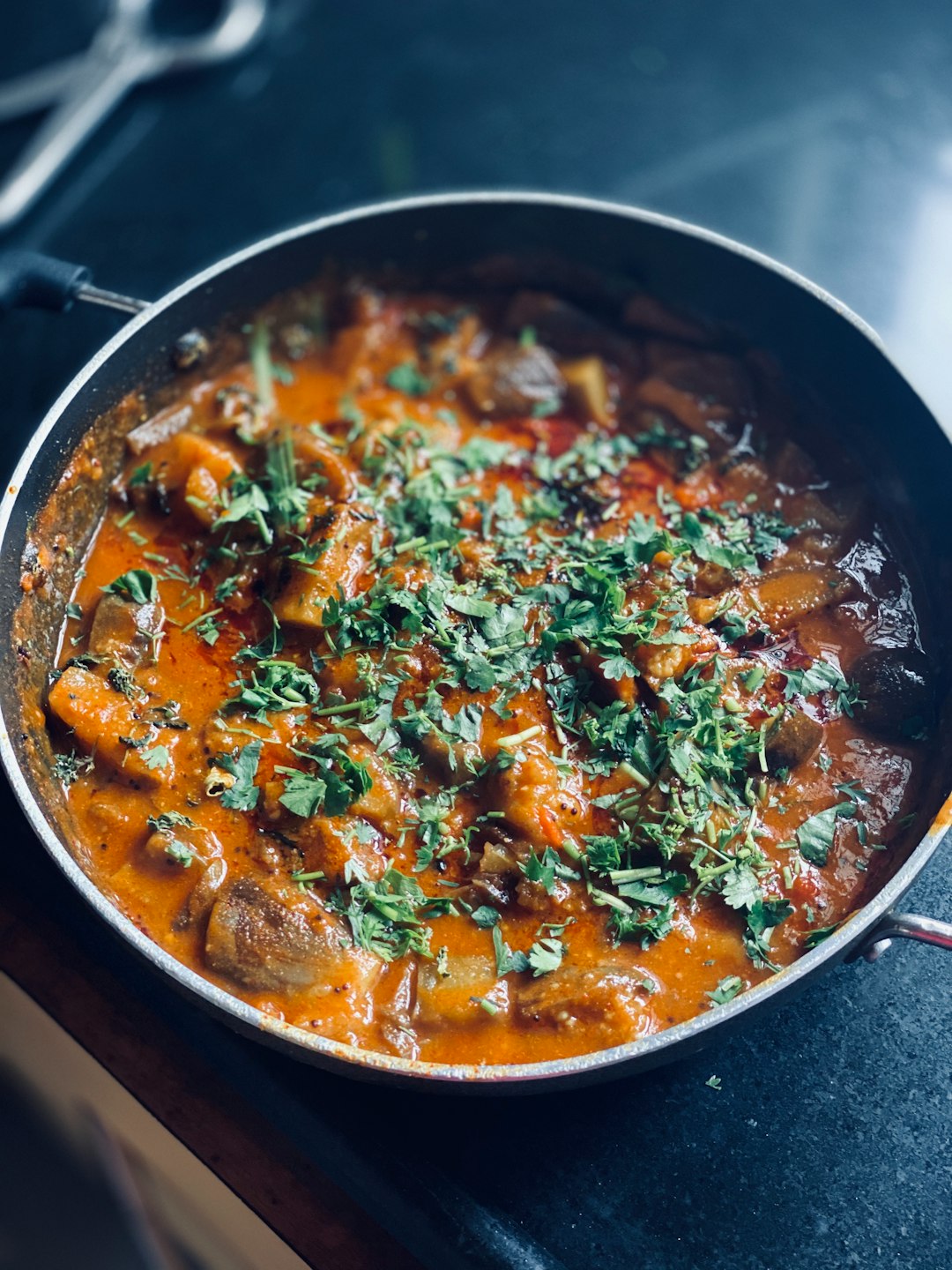
Cape Malay curry
Fragrant, gently spiced curry rooted in the Bo-Kaap, often served with rice and sambals. Look for lamb, chicken, or vegetable versions.
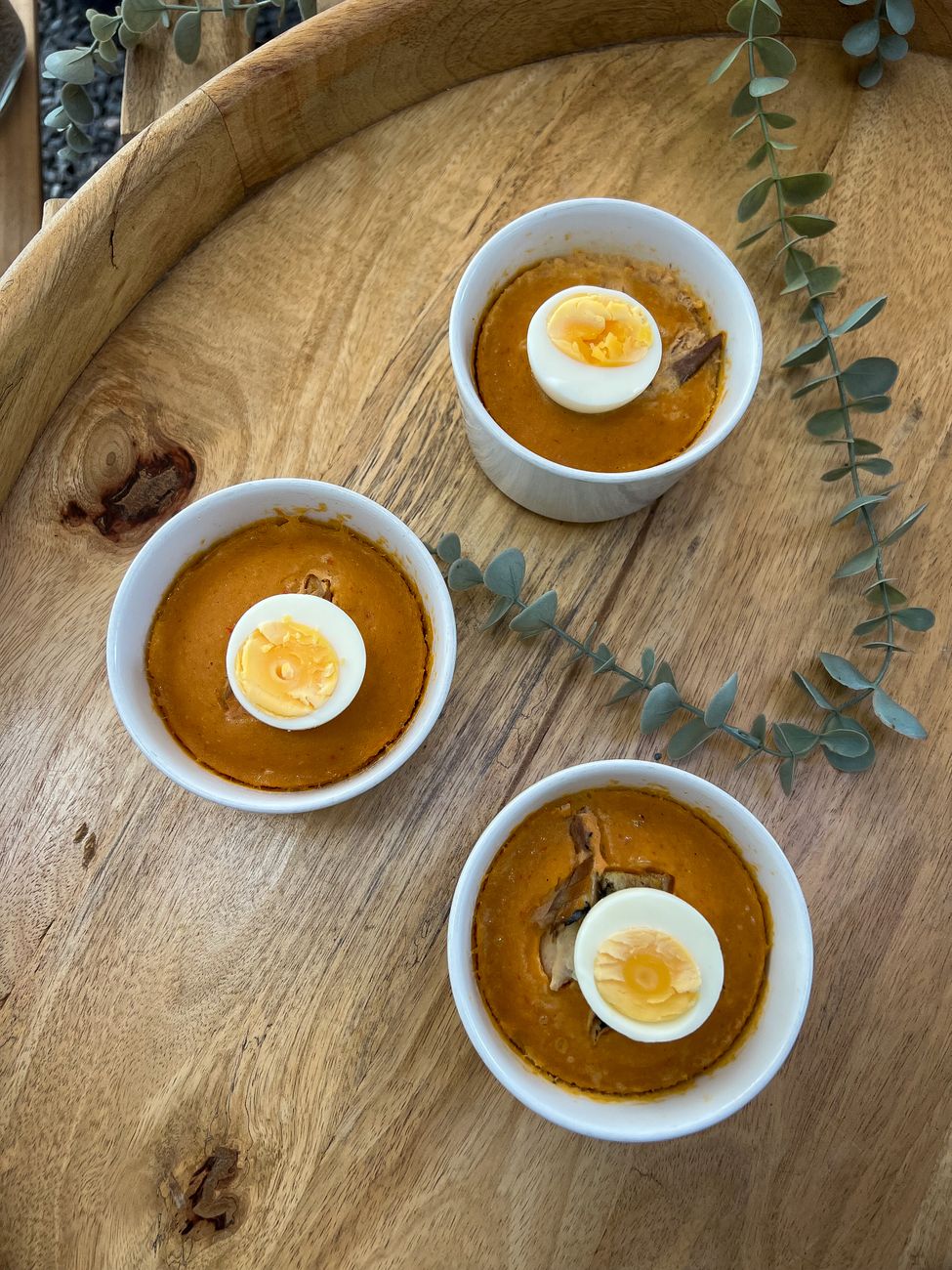
Bobotie
Baked spiced minced meat with an eggy custard top, usually served with yellow rice and chutney. A classic Cape comfort dish.
Gatsby
A large Cape Town sandwich packed with chips and fillings like steak, chicken, or masala steak. Best shared and eaten fresh.

Snoek with apricot jam
Local line-caught snoek, often braaied and glazed with apricot jam. Commonly served with bread or slap chips.
Bunny chow
A hollowed-out loaf filled with curry, popular as a quick, filling meal. In Cape Town you’ll often find Durban-style versions too.
Boerewors roll
Grilled coiled sausage in a roll with tomato-onion relish. A staple at braais and casual takeaways.
Biltong
Air-dried, spiced meat sliced thin for snacking. Try different cuts and spice levels, including chilli or coriander-forward styles.

Koeksisters (Cape Malay)
Twisted fried dough in a lightly spiced syrup, softer and less sticky than the Afrikaner version. Often scented with cinnamon and cardamom.
Cape Malay curry
Fragrant, gently spiced curry rooted in the Bo-Kaap, often served with rice and sambals. Look for lamb, chicken, or vegetable versions.
Bobotie
Baked spiced minced meat with an eggy custard top, usually served with yellow rice and chutney. A classic Cape comfort dish.
Gatsby
A large Cape Town sandwich packed with chips and fillings like steak, chicken, or masala steak. Best shared and eaten fresh.
Snoek with apricot jam
Local line-caught snoek, often braaied and glazed with apricot jam. Commonly served with bread or slap chips.
Bunny chow
A hollowed-out loaf filled with curry, popular as a quick, filling meal. In Cape Town you’ll often find Durban-style versions too.
Boerewors roll
Grilled coiled sausage in a roll with tomato-onion relish. A staple at braais and casual takeaways.
Biltong
Air-dried, spiced meat sliced thin for snacking. Try different cuts and spice levels, including chilli or coriander-forward styles.
Koeksisters (Cape Malay)
Twisted fried dough in a lightly spiced syrup, softer and less sticky than the Afrikaner version. Often scented with cinnamon and cardamom.
Wines, beers and spirits to try
Méthode Cap Classique (MCC) sparkling wine
Traditional-method sparkling wine from the Cape, often Chardonnay/Pinot Noir. Try it from producers in Franschhoek or Stellenbosch.
Stellenbosch Cabernet Sauvignon
A Cape classic: structured, cassis-led reds with firm tannins. Best sampled via Stellenbosch tasting rooms close to the city.
Swartland Chenin Blanc
Dry Chenin with citrus, stone fruit, and a savoury edge, often from old vines. A good match for seafood and Cape Malay dishes.
Pinotage
South Africa’s signature red grape, ranging from bright and fruity to smoky and savoury. Look for modern, lighter styles served slightly cool.
Cape Ruby (fortified wine)
Port-style fortified wine made in the Cape, usually rich with dark berry notes. A warming after-dinner pour.
Amarula Cream Liqueur
Cream liqueur made with marula fruit, softly caramel and tropical. Common as a dessert drink or over ice.
Witblits (Cape grape spirit)
Clear grape spirit from the Western Cape, traditionally pot-distilled and robust. Often enjoyed neat in small pours.
Craft gin from the Cape fynbos tradition
Local gins often use fynbos botanicals for herbal, citrusy profiles. Try a simple G&T to taste the botanicals clearly.
Méthode Cap Classique (MCC) sparkling wine
Traditional-method sparkling wine from the Cape, often Chardonnay/Pinot Noir. Try it from producers in Franschhoek or Stellenbosch.
Stellenbosch Cabernet Sauvignon
A Cape classic: structured, cassis-led reds with firm tannins. Best sampled via Stellenbosch tasting rooms close to the city.
Swartland Chenin Blanc
Dry Chenin with citrus, stone fruit, and a savoury edge, often from old vines. A good match for seafood and Cape Malay dishes.
Pinotage
South Africa’s signature red grape, ranging from bright and fruity to smoky and savoury. Look for modern, lighter styles served slightly cool.
Cape Ruby (fortified wine)
Port-style fortified wine made in the Cape, usually rich with dark berry notes. A warming after-dinner pour.
Amarula Cream Liqueur
Cream liqueur made with marula fruit, softly caramel and tropical. Common as a dessert drink or over ice.
Witblits (Cape grape spirit)
Clear grape spirit from the Western Cape, traditionally pot-distilled and robust. Often enjoyed neat in small pours.
Craft gin from the Cape fynbos tradition
Local gins often use fynbos botanicals for herbal, citrusy profiles. Try a simple G&T to taste the botanicals clearly.
In Cape Town's bustling marketplaces, the aroma of freshly baked bread mingles with spices from all corners of Africa. Vendors chat animatedly as they serve up samosas hot from the fryer or dish out generous helpings of sweet koeksisters dripping with syrup. As you pause at a street stall, savoring each bite of tender biltong, it becomes clear that food here is more than sustenance—it's a shared experience that bridges cultures and traditions.
Practical information
To truly savor Cape Town, consider staying in neighborhoods like Tamboerskloof or Gardens, which offer easy access to both city highlights and quieter retreats. Pace yourself; it's tempting to rush from sight to sight, but allow time to linger at each spot.
Public transport covers most major areas, but renting a car gives you freedom to explore at your own speed. If driving isn't your thing, reliable taxis are plentiful for getting between attractions.
Cape Town's dining scene is diverse. Try local favorites like biltong or bobotie at casual eateries; they offer an authentic taste of South African culture without the formality of upscale dining.
Embrace local customs by greeting people with a friendly "howzit"—a simple way to engage with those around you. Respectful behavior and an open mind will make your interactions more meaningful.
When visiting natural sites, leave no trace to preserve their beauty for future visitors. These small acts contribute greatly to maintaining Cape Town's charm.
Health & safety
General guidance only. Always check official health and safety advisories for your situation.
Emergency
Park emergencies
Table Mountain National Park has a dedicated line at 086 110 6417 for incidents on trails. 1
Crime
Personal security
Keep valuables out of sight and avoid walking alone in isolated areas after dark. 4
Nature
Hiking safety
Travel in groups on established trails during daylight hours and let someone know your route. 5
Transport
Airport transfers
Arrange pre-booked shuttles or use official ranks and remain on the N2 or M3. 4
Healthcare
Medical facilities
Private hospitals provide care comparable to Western standards; carry travel insurance details. 6
Vaccines
Health preparations
Routine vaccines along with hepatitis A and B are commonly advised; there is no malaria risk. 8
Weather
Mountain conditions
Conditions on Table Mountain can shift quickly; check forecasts before heading out. 1
Common mistakes to avoid
Mistake
Instead
Mistake
Trying to fit too many far-apart sights into each day.
Instead
Group nearby areas and leave buffer time for traffic and stops.
Mistake
Heading up Table Mountain without checking wind and cloud conditions.
Instead
Check the latest forecast and have a flexible backup plan at lower altitude.
Mistake
Driving Chapman's Peak Drive or Cape Point late without watching the light.
Instead
Time scenic routes for morning or late afternoon and plan your return before dark.
Mistake
Turning up at popular attractions at midday and expecting quiet photos.
Instead
Start early for softer light, fewer crowds, and easier parking.
Mistake
Underestimating how long Robben Island takes door to door.
Instead
Book ahead and block out most of a day including ferry and waiting time.
Mistake
Leaving valuables visible in a parked car while you explore.
Instead
Keep the car empty, lock up, and carry only what you need.
FAQ
Is 3 days enough for a first-time visit to Cape Town?
+−
Yes-three days is enough to cover major highlights and still leave breathing room if you group sights by area and plan one big day trip. You won’t see everything, but you’ll get a strong feel for the city.
What’s the best time of year to visit Cape Town for this 3-day itinerary?
+−
Cape Town works year-round: summer is lively and beach-focused, while spring and autumn are calmer with comfortable weather. Winter can be rainy, but clear days suit hikes and museums.
Do I need to rent a car for 3 days in Cape Town?
+−
Not necessarily-many city sights are reachable by taxi rides and short walks. A car helps for the Cape Peninsula, but guided tours can handle the longer logistics.
How should I plan Table Mountain if the weather changes?
+−
Keep it flexible and go when conditions are clear, as wind and cloud can affect access and views. Have a backup plan nearby, like gardens, galleries, or neighborhood walks.
How far in advance should I book Robben Island?
+−
Book as early as you can, especially in peak season, since spaces can be limited. If it’s unavailable, swap in a waterfront day and add a museum or heritage stop.
Related guides